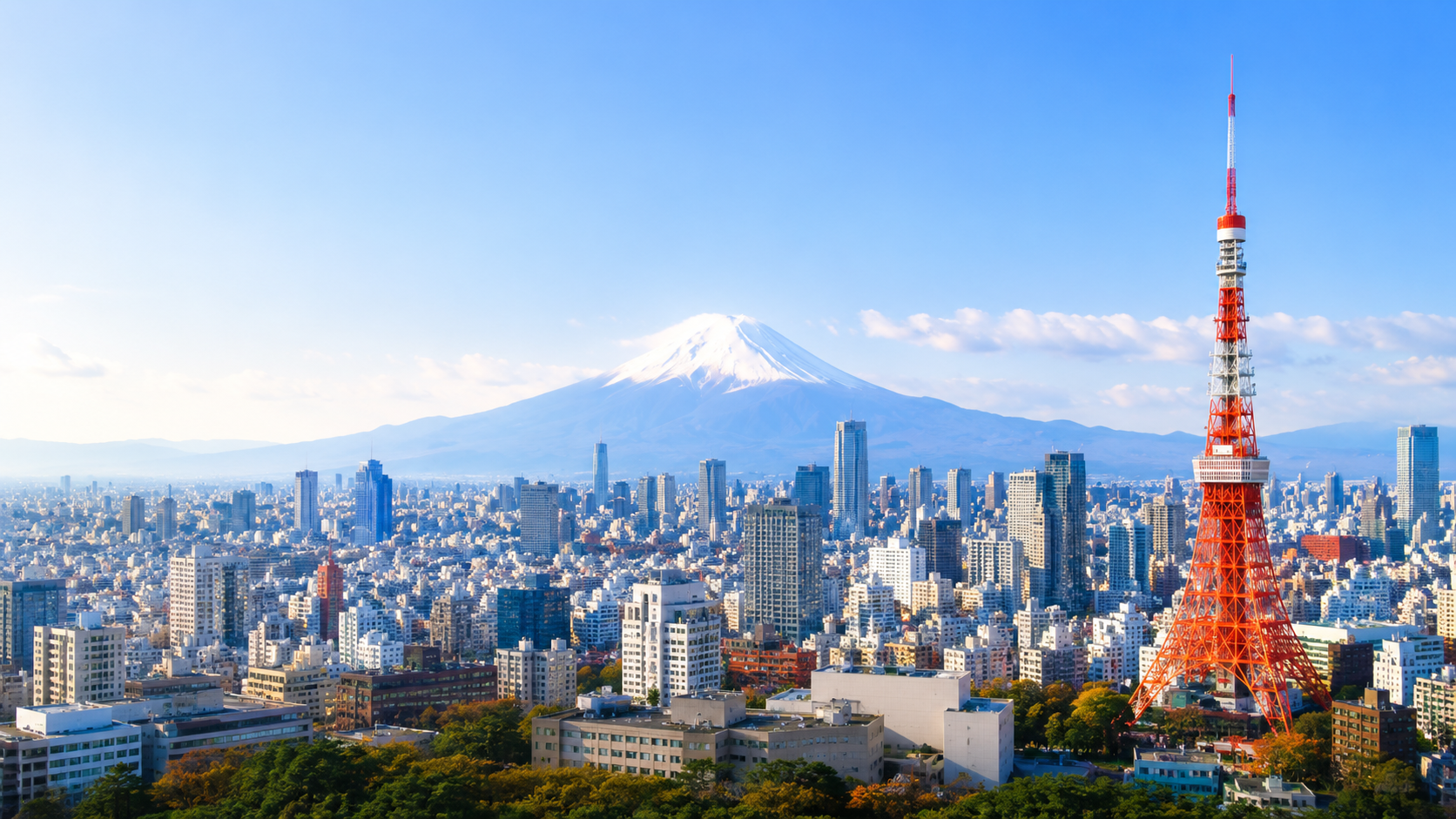
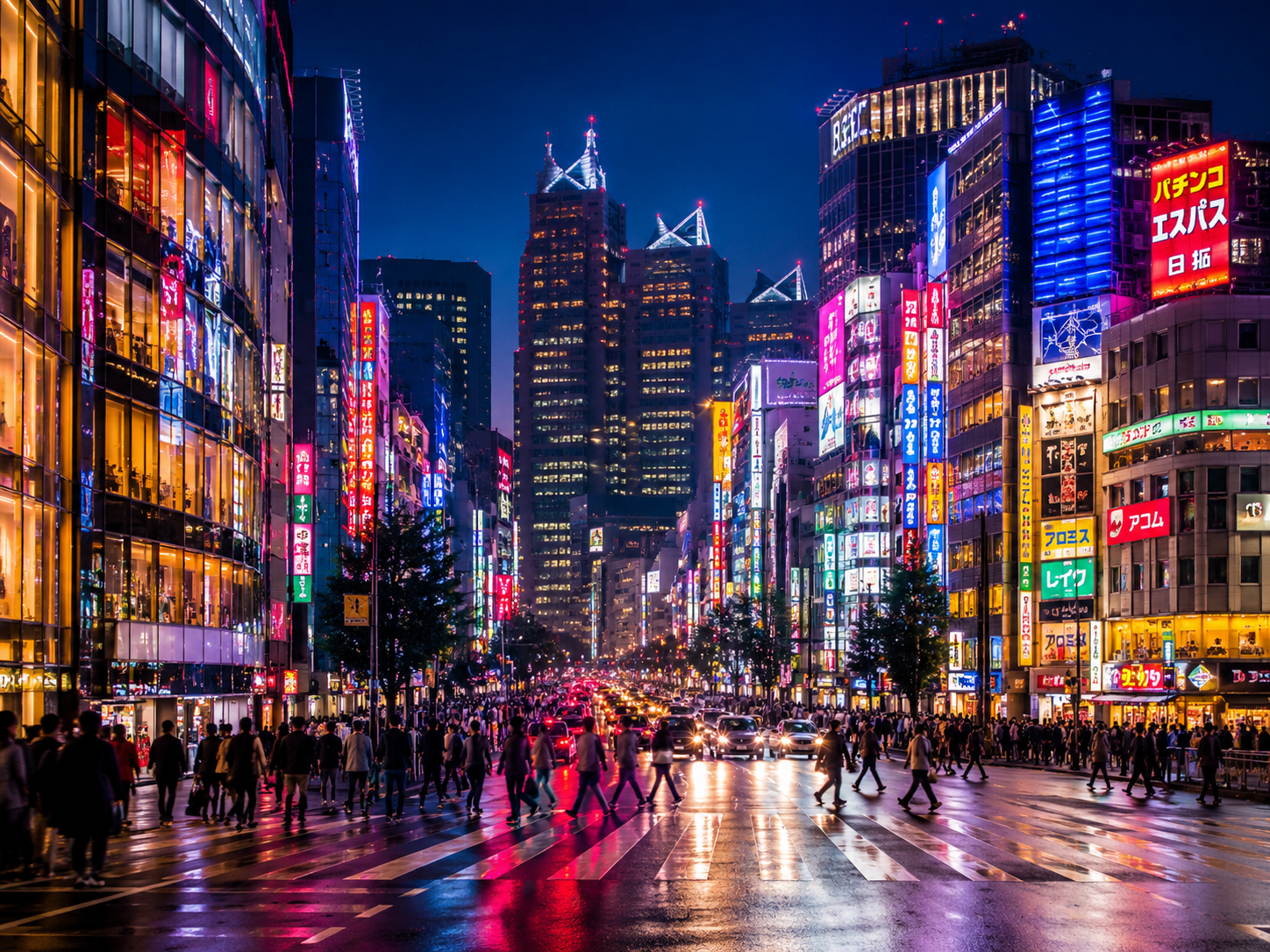
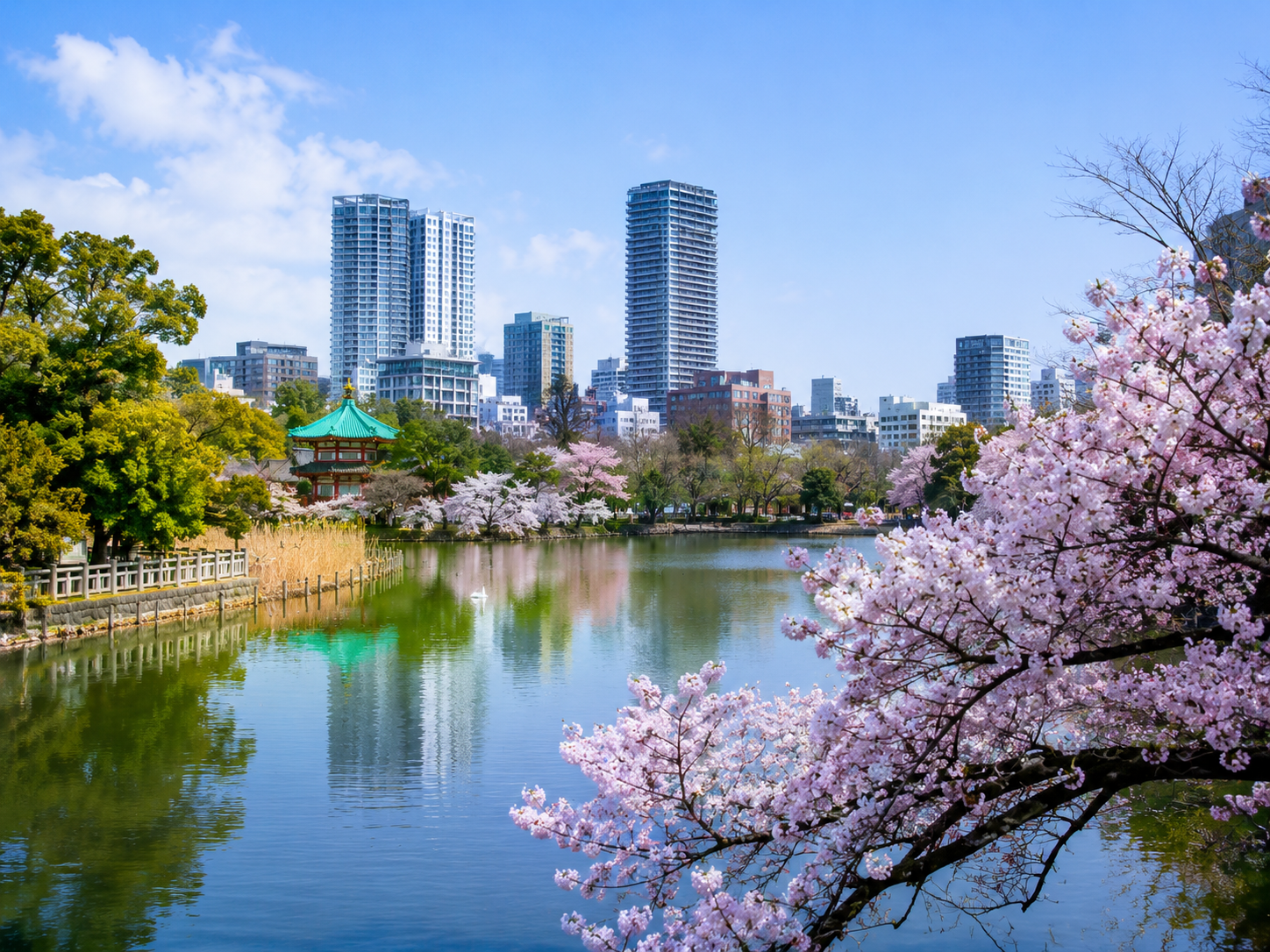
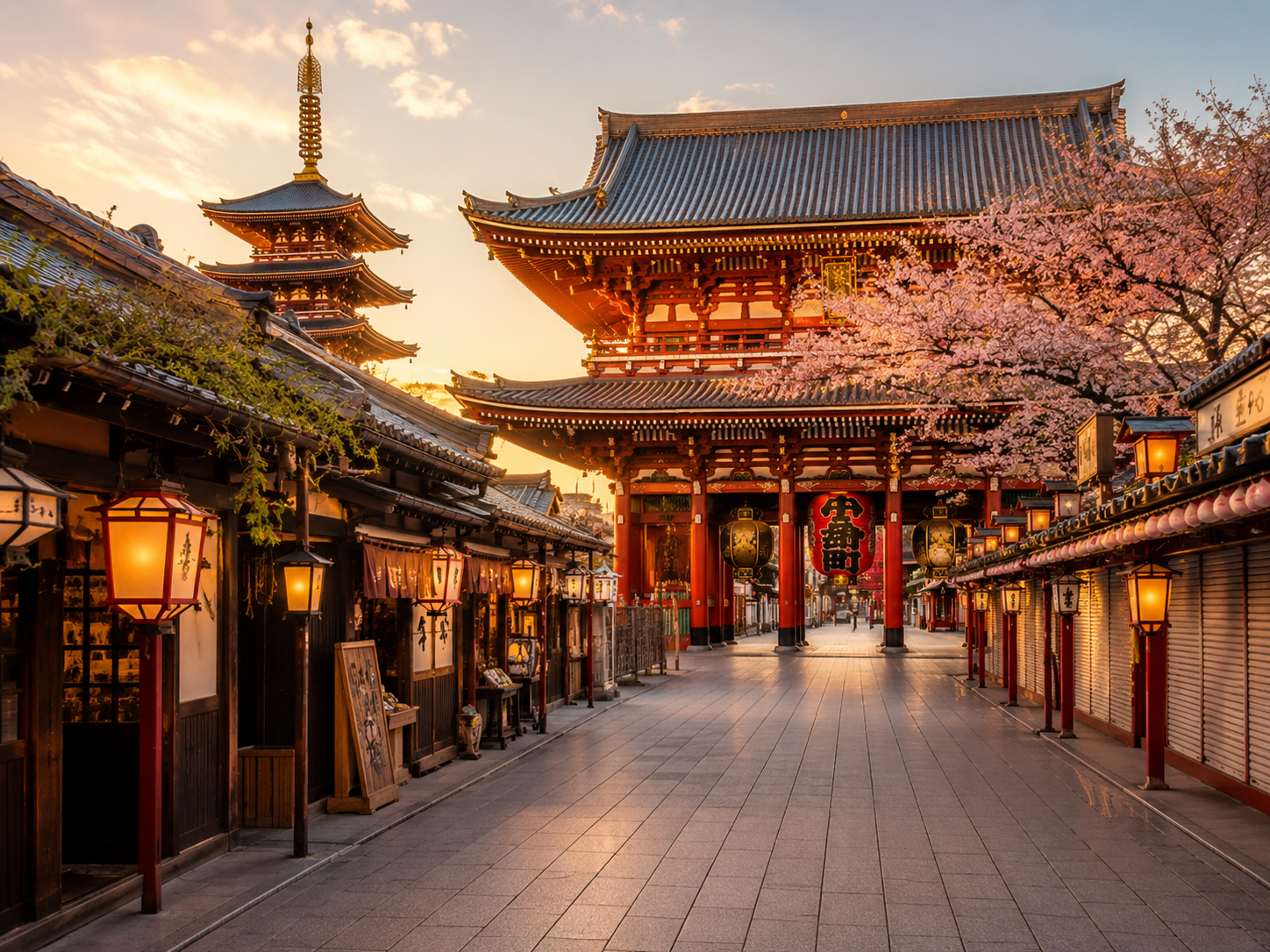
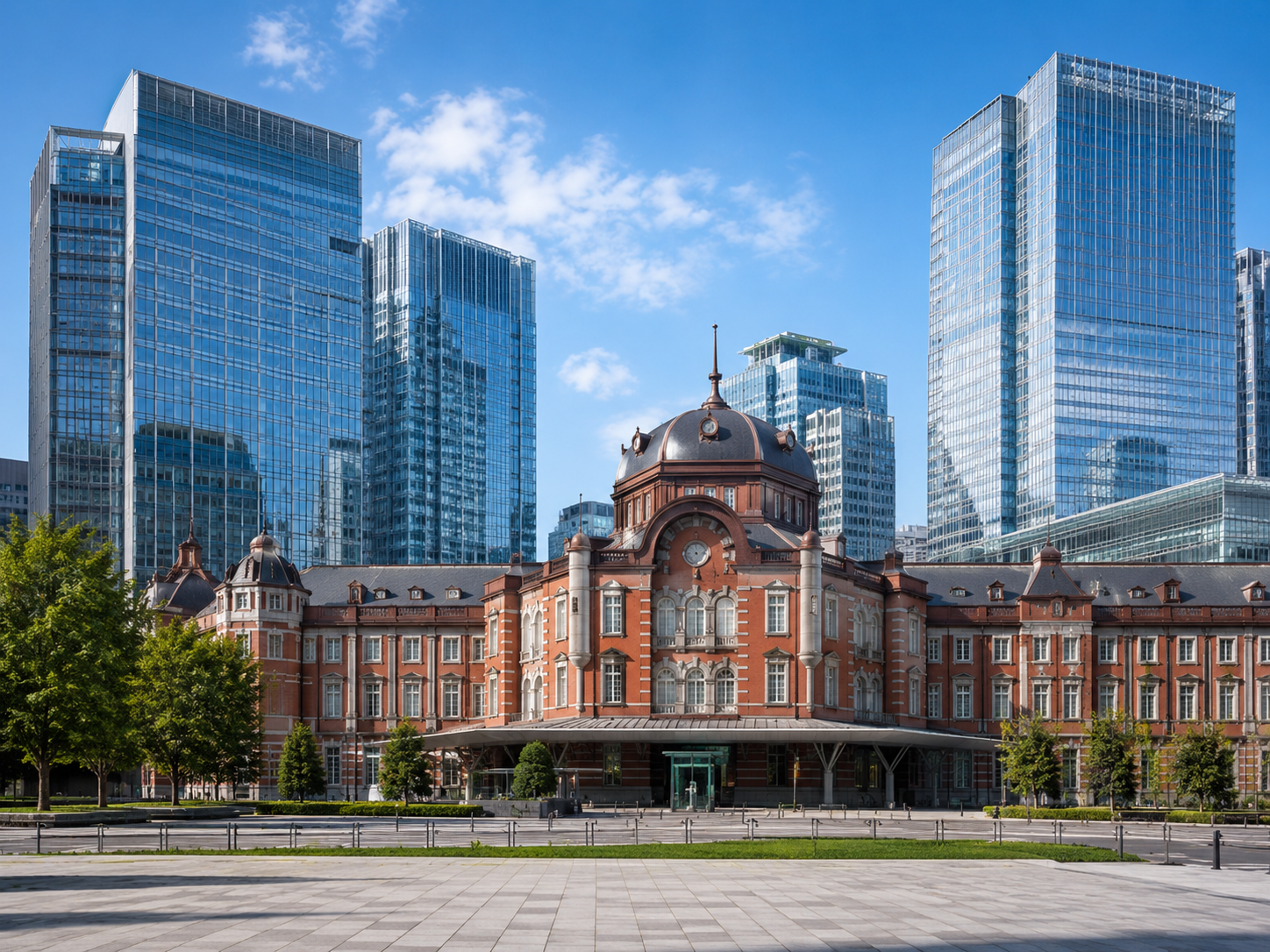
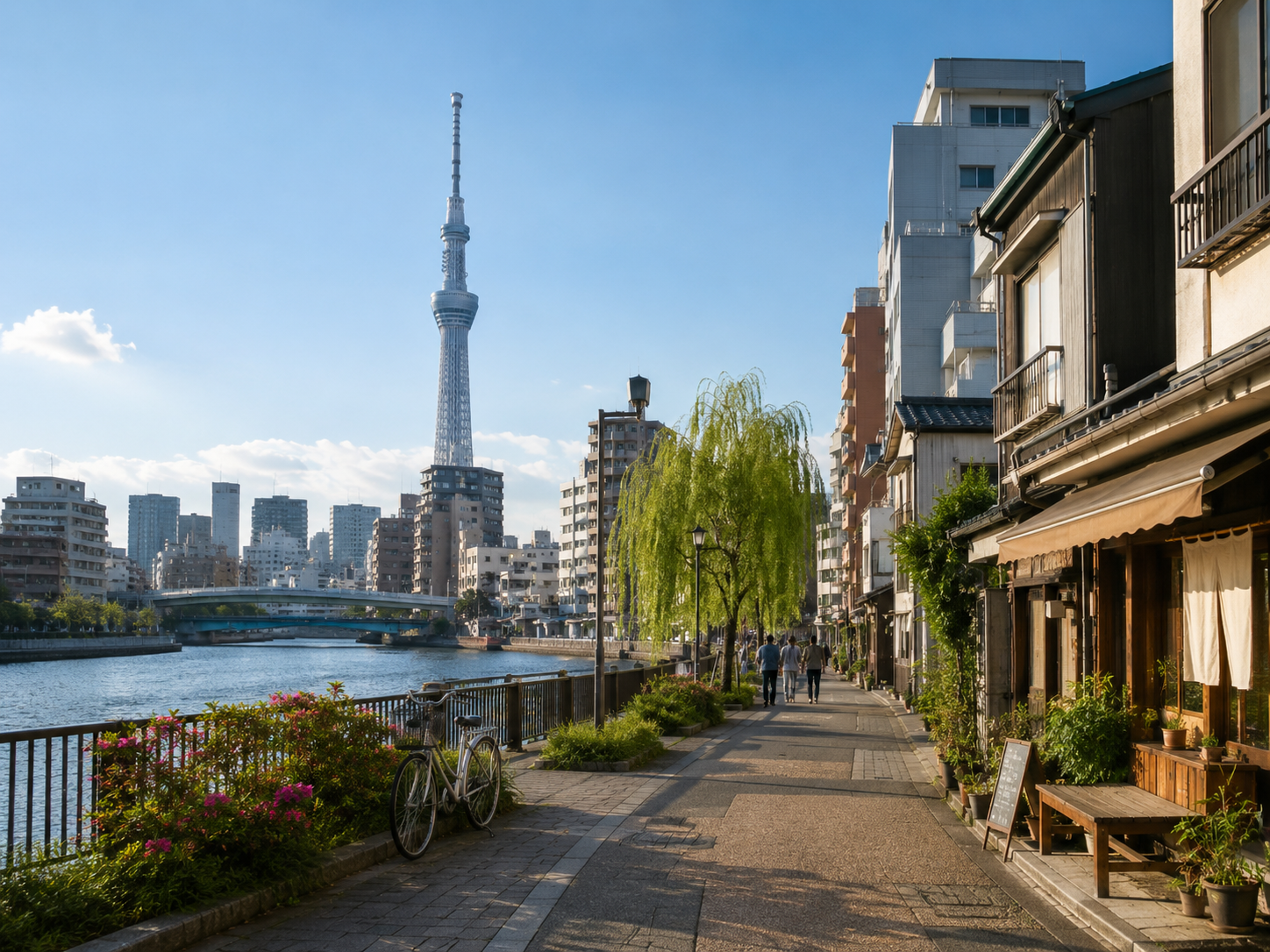
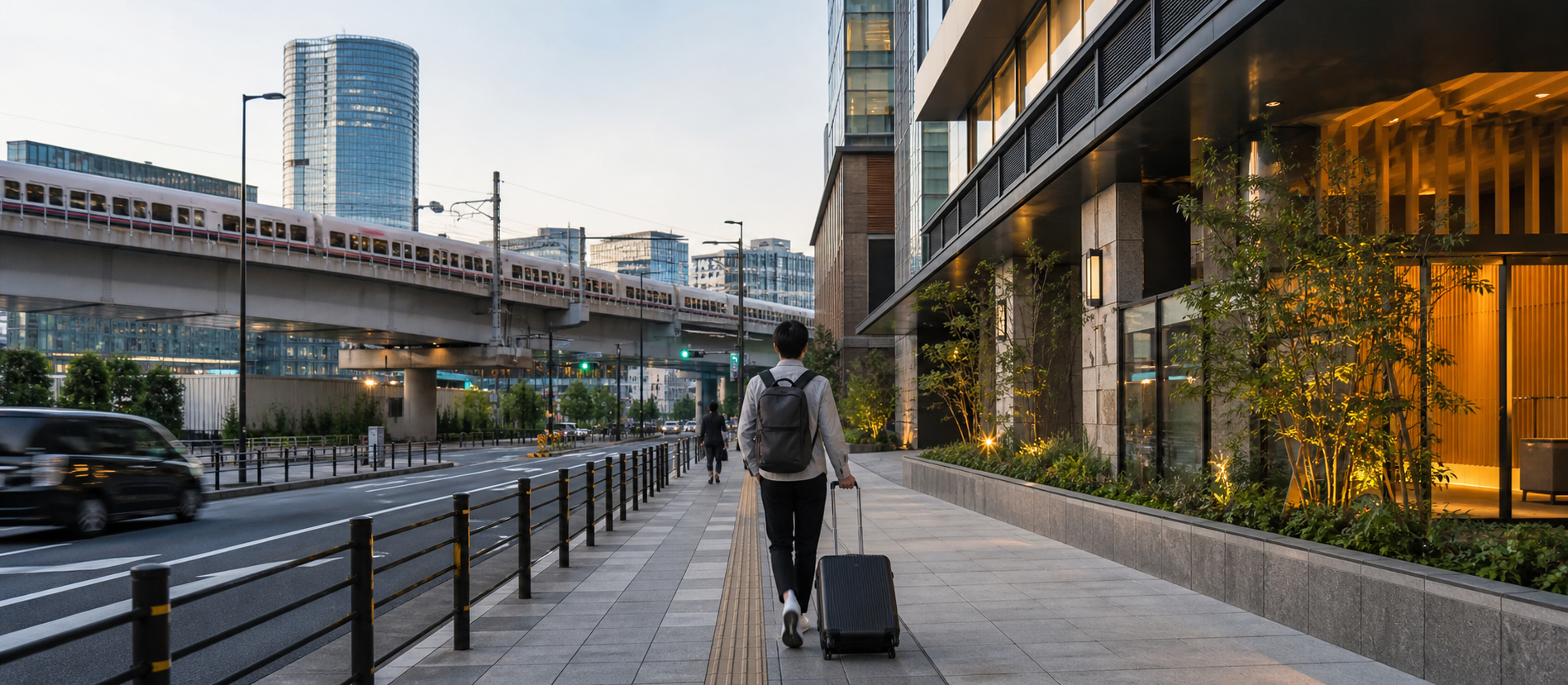
Tokyo hotel area skyline and neighborhood view

Tokyo hotel area guide

Where to Stay in Tokyo for First-Time Visitors

Compare Shinjuku, Ueno, Asakusa, Tokyo Station, Ginza, and quieter East Tokyo before booking hotels. Choose by airport access, luggage, Shinkansen plans, nightlife, and first-night comfort.

Quick answer

For a first Tokyo trip, start with these broad hotel bases:

  • Shinjuku: best if you want food, nightlife, and big-city energy.
  • Ueno: best if you arrive from Narita or want practical east-side access.
  • Asakusa: best if you want old Tokyo atmosphere and calmer nights.
  • Tokyo Station / Ginza: best if you have an early Shinkansen, luggage, or a first/last night in Tokyo.

But you do not always need to sleep at the famous station itself.

If the main station feels too crowded, expensive, or hard with luggage, compare nearby bases:

Nishi-Shinjuku / Yoyogi, Nippori / Okachimachi, Kuramae / Tawaramachi, Hatchobori / Nihombashi, Akasaka, Suitengumae, Hamamatsucho, or Shinagawa.

Use the hotel base matrix below before opening booking sites.

Compare Tokyo station areas

Before you book a Tokyo hotel

Start with how your trip moves, then compare hotel names.

Narita or HanedaKyoto / Osaka by ShinkansenLarge suitcasesNightlife or quiet nightsHuge station or calmer base

Common Tokyo hotel area mistakes

  • Choosing Shinjuku only because it is famous
  • Choosing Asakusa only because it looks traditional
  • Choosing Tokyo Station only for Shinkansen
  • Ignoring luggage, room size, and station complexity
  • Booking before deciding airport and rail routes
A famous station is not always the easiest place to sleep. The best Tokyo hotel area usually reduces transfers, luggage stress, and first-night confusion.

Check room size and expensive dates before booking

Hotel search shortcut

Already know your Tokyo base?

Jump to the major area card first. Each card explains the trade-offs before sending you to the Finder or an existing area hotel-search page.

Choose by Your Travel Plan

Before booking hotels

Do not book yet if…

You have not checked Narita vs Haneda arrival routes.
You will carry large luggage through stations.
You have an early Shinkansen to Kyoto or Osaka.
You have not checked room size, bed setup, and suitcase space.
You are unsure about huge stations or quieter nearby bases.

fujiseat area logic

Why fujiseat's area logic is different

fujiseat compares hotel bases by station complexity, luggage stress, airport arrival route, Shinkansen days, calmer nearby bases, and a local Tokyo perspective. It does not rank hotels, invent prices, or treat the most famous station as the automatic answer.

Open Tokyo Hotel Area Finder

The Tokyo Hotel Area Finder is an editorial travel-fit tool informed by station-usability signals where available. It is not an official ranking.

Compare Tokyo hotel bases before you book

Start with the broad area, then check nearby calmer or logistics-friendly bases. Use this as a general starting point before opening hotel search sites.

Shinjuku area hotel base in Tokyo
Active city

Shinjuku area

Main base
Shinjuku
Nearby calmer bases

Nishi-Shinjuku / Yoyogi / Shinjuku-Gyoenmae

Nishi-ShinjukuYoyogiShinjuku-Gyoenmae
Good if
First-time energy, food, nightlife, and many hotel choices.
Watch out
Crowds, a huge station, and a tiring arrival with luggage.

Common mistakes when choosing a Tokyo hotel area

Do not choose Shinjuku only because everyone recommends it.

Do not choose Asakusa only because it looks traditional.

Do not choose Tokyo Station only because it is convenient for Shinkansen.

A famous station is not always the easiest place to sleep.

Your best base depends on airport access, luggage, Shinkansen day, station complexity, quiet nights, and room size.

Room size note for Tokyo hotels

Tokyo hotel rooms can feel compact compared with hotels or apartments in some countries. For two travelers, rooms under 18㎡ can feel tight with large suitcases. Around 22–26㎡ is usually workable, and 30㎡+ is generally comfortable for two by Tokyo hotel standards.

Before booking, check room size, bed setup, and reviews mentioning luggage or small rooms.

Hotel price timing

When Tokyo hotels get expensive

Hotel prices change by demand. If your dates fall on weekends, holidays, or major travel seasons, compare nearby hotel bases before giving up on Tokyo.

Friday / Saturday nights

Often higher than weekdays, especially in popular city areas.

Night before a national holiday

Long weekends can make central hotels and transport busier.

Golden Week

Late April to early May. Several national holidays are close together, so domestic travel can be busy.

Obon

Around mid-August. Many people travel domestically or return to hometowns.

New Year holidays

Late December to early January. Transport and accommodation can be crowded.

Cherry blossom season

Usually late March to early April in Tokyo and Kyoto.

Autumn foliage season

Especially November for Tokyo/Kyoto and nearby day-trip areas.

Big events

Concerts, sports, exhibitions, and festivals can raise prices around specific stations.

What to do if your dates are expensive

  • Compare nearby bases, not only Shinjuku or Tokyo Station.
  • Try weekday nights if your schedule is flexible.
  • Check luggage-friendly bases if you are arriving with suitcases.
  • Open the Tokyo hotel base matrix before opening booking sites.
  • See local hotel examples after choosing a base.

Quick Area Comparison

AreaAirport accessShinkansen accessNightlife / foodHotel cost feelVibe
ShinjukuN'EX direct, slower from Narita10-15 min to Tokyo StationStrongestWide range, weekend spikesEnergetic
UenoBest Narita access7 min to Tokyo StationModerateOften better valuePractical, cultural
AsakusaGood via Access ExpressTransfer neededQuiet eveningsGood valueOld-town
Tokyo StationN'EX directBestBusiness diningUsually higherClean logistics
East TokyoVaries by neighborhoodUsually transfer neededLocal and calmMixedQuiet, slower

FAQ

Is Shinjuku too noisy for families?
It can be around Kabukicho. Families usually do better around Nishi-Shinjuku, Yoyogi, or Shinjuku-Gyoenmae.
Is Ueno good for first-time visitors?
Yes, especially if you arrive at Narita or want better-value hotels with museums and markets nearby.
Should I stay near Tokyo Station before Kyoto or Osaka?
Yes if your Shinkansen is early or you have heavy luggage. Otherwise Shinjuku or Ueno can still work well.
Is Asakusa convenient without the JR Yamanote Line?
It is convenient for old-town sightseeing, but you will use subway transfers more often than in Ueno or Shinjuku.
Where should I stay if I arrive late at Narita?
Ueno is usually the simplest because the Skyliner is fast and the area is calmer on arrival night.
Is East Tokyo good for a first Tokyo hotel?
It can be, but it is better for travelers who already know they want a quieter local base.

Continue Planning